The Critical Role of a Domestic Electrician
In the modern home, safety and functionality largely depend on an efficient electrical system, making the role of a domestic electrician increasingly vital. As we progress into 2026, the complexity and demand for reliable electrical systems have escalated, necessitating a deeper understanding of what domestic electricians bring to our homes. From ensuring safety compliance to integrating the latest technologies, domestic electricians are at the forefront of creating safe and efficient living environments.
Understanding Domestic Electrical Systems
Domestic electrical systems encompass a vast array of components, including wiring, circuit breakers, outlets, and appliances. Understanding how these systems work together is crucial for both safety and efficiency. In residential settings, electricians are responsible for designing electrical systems that meet the specific needs of the household while complying with the latest safety regulations. They must consider the load requirements, types of appliances in use, and future-proofing installations to accommodate advancements in technology.
Key Responsibilities of Domestic Electricians
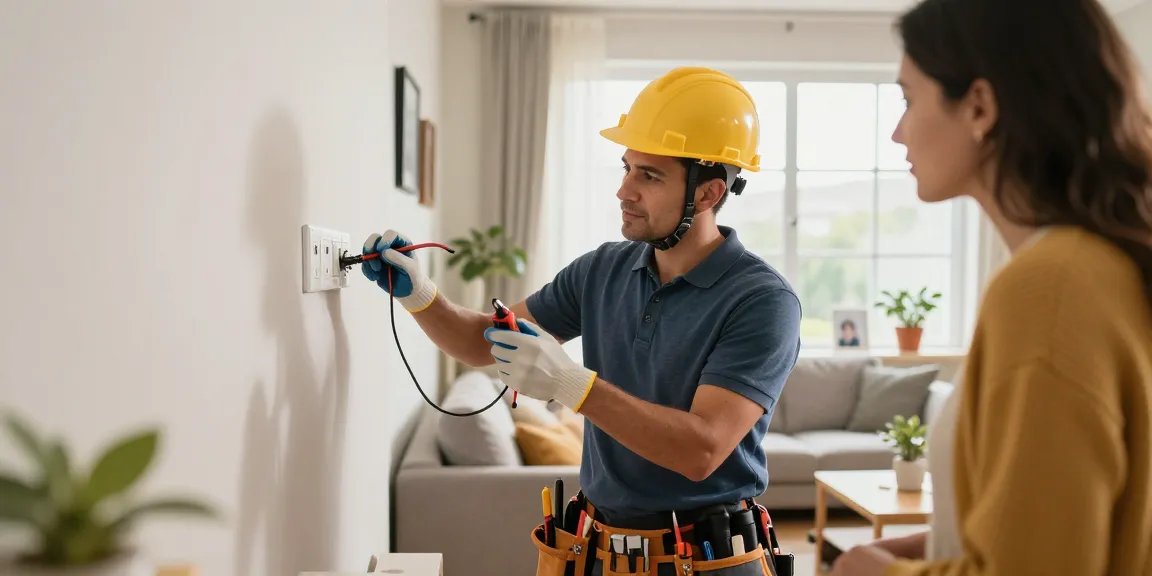
Domestic electricians hold several key responsibilities that ensure the safety and efficiency of residential electrical systems. Their primary tasks include:
- Installation: Installing wiring and fixtures that meet local codes.
- Maintenance: Regular inspections and maintenance to prevent electrical failures.
- Repairs: Fixing faulty wiring, outlets, and circuit breakers.
- Upgrades: Implementing changes to accommodate new appliances or technologies.
These responsibilities are not only crucial for the operation of the home's electrical systems but also significantly contribute to the overall safety of the household.
Importance of Professional Installation and Repairs
When it comes to electrical work, the importance of professional installation cannot be overstated. Poorly executed electrical work can lead to serious hazards, including fires and electrocutions. Professional electricians possess the training and experience necessary to identify potential issues before they become serious problems. Moreover, they are well-versed in the latest industry standards and local codes, ensuring that all installations and repairs are compliant.
Safety Standards and Regulations
As we move into 2026, remaining compliant with safety standards and regulations is more important than ever for domestic electricians. These guidelines are put in place to protect homeowners and their properties from electrical hazards.
Essential Electrical Codes in 2026
The National Electrical Code (NEC) is updated every few years to reflect advancements in technology and changes in safety practices. Electricians must stay informed about new codes, which now include provisions for smart home technologies and energy-efficient systems. Understanding these codes is essential for ensuring that all electrical work is completed safely and legally.
How Electricians Ensure Compliance
Compliance with electrical codes requires thorough knowledge and attention to detail. Electricians ensure compliance by:
- Conducting rigorous inspections before and after installations.
- Staying up-to-date on code changes through ongoing education and training.
- Utilizing proper materials and techniques specific to local regulations.
This diligence not only protects homeowners but also enhances the electrician's reputation and viability in the industry.
Common Electrical Hazards and Safety Practices
Electrical hazards can arise from outdated systems, improper installations, and lack of maintenance. Common risks include:
- Overloaded circuits leading to fires.
- Exposed wiring resulting in electrocution.
- Improper grounding causing damage to appliances.
To mitigate these risks, electric professionals advocate for regular safety checks, proper use of equipment, and adherence to best practices.
Cost Benefits of Hiring a Domestic Electrician
Investing in a qualified domestic electrician may seem like a significant expense, but the long-term financial benefits can far outweigh the initial costs. Here, we delve into various cost advantages:
Long-Term Savings through Professional Services
One of the primary benefits of hiring a domestic electrician is the potential for long-term savings. Professionals not only perform work more efficiently but also guarantee that future repairs are minimized by addressing issues at the source. Well-installed electrical systems typically result in lower energy costs and reduced wear on appliances.
Avoiding DIY Electrical Mistakes
The temptation to handle electrical tasks independently can lead to costly mistakes. DIY projects may endanger personal safety and result in extensive damage to the property. Hiring a domestic electrician mitigates these risks by ensuring that all work is done correctly and safely.
Insurance Implications of Hiring Professionals
In many cases, home insurance policies require proof of professional installation for coverage on electrical systems. Working with a qualified electrician means not only compliance with insurance requirements but also safeguarding against future liabilities. In the event of a claim, having documented professional services can be invaluable.
Latest Technology in Domestic Electrical Work
As technology evolves, so does the role of the domestic electrician. Today's electricians are not just tasked with traditional wiring but also integrating advanced technologies into residential settings.
Smart Home Systems and Electrical Integration
Smart home devices have revolutionized how we interact with our living spaces. Domestic electricians are vital in installing and maintaining these systems. From smart thermostats to automated lighting, they seamlessly integrate technology into the existing electrical infrastructure, enhancing both comfort and energy efficiency.
Energy-Efficient Solutions for Modern Homes
Many homeowners are seeking ways to reduce their carbon footprint and energy bills. Electricians can provide valuable advice on energy-efficient solutions such as:
- LED lighting upgrades.
- Energy-efficient appliances.
- Smart meters for monitoring energy consumption.
By guiding homeowners in making informed choices, electricians play a crucial role in fostering sustainable practices.
The Role of Electricians in Renewable Energy Adoption
With the rising emphasis on renewable energy, domestic electricians are frontline advocates for solar installations and battery storage systems. Their role includes:
- Advising on the best renewable energy solutions.
- Installing photovoltaic panels and associated wiring.
- Ensuring that alternative energy sources are integrated safely into the existing electrical system.
As the demand for green energy solutions grows, so too does the role of the electrician in facilitating this transition.
Future Trends in the Electrical Industry
Looking ahead, the electrical industry is set to change significantly as new technologies and regulations emerge.
Emerging Technologies Affecting Electricians
From artificial intelligence to IoT (Internet of Things), these emerging technologies are reshaping the electrician's toolkit. Electricians will need to adapt by learning about these technologies and understanding how they can improve system efficiency and safety.
Preparing for Electric Vehicles and Charging Stations
The rise of electric vehicles (EVs) will lead to increased demand for home charging stations. Electricians will play a crucial role in installing these stations, ensuring they meet safety and efficiency standards while integrating them into the home’s electrical system.
Expected Changes in Regulations and Best Practices
As technology advances, regulatory bodies will continue to update safety standards and practices. Electricians must remain informed and adaptable to these changes. Continuous education and certifications will be crucial for professionals wishing to stay competitive in the electrical landscape.
What qualifications should a domestic electrician have?
Domestic electricians should possess relevant certifications, such as those mandated by local regulatory bodies. Typically, this includes an electrician’s license, which ensures they have undergone the necessary training and training to perform electrical work safely and competently.
How often should I have my home's electrical system inspected?
It is generally recommended to have your home's electrical system inspected at least once every five years. However, if you notice signs of electrical problems, such as flickering lights or frequent circuit breaker trips, you should consult a professional immediately.
What are the signs of outdated electrical systems?
Signs that your electrical system may be outdated include:
- Frequent blown fuses or tripped breakers.
- Outlets that are warm to the touch.
- Inconsistent power to appliances.
If you notice these symptoms, it is crucial to have a domestic electrician evaluate your system for potential upgrades.
Can a domestic electrician help with energy-efficient upgrades?
Absolutely! Domestic electricians are well-equipped to advise homeowners on energy-efficient upgrades, including lighting, appliances, and even whole-home solutions. They can guide how to make practical changes that will enhance efficiency and save on energy costs.
What are the potential risks of DIY electrical projects?
DIY electrical projects can pose significant risks, including personal injury, property damage, and even legal penalties. Without the proper knowledge and tools, attempting electrical work can lead to serious hazards. It is always recommended to hire a qualified domestic electrician to ensure safety and compliance.