
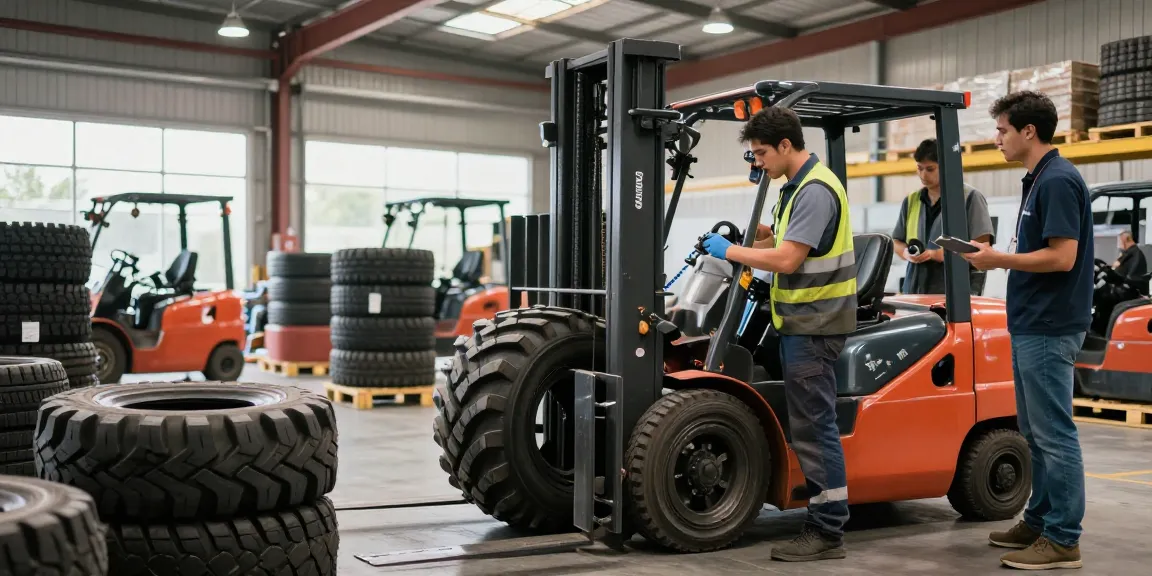

Understanding the Importance of Forklift Tyres
In the bustling world of warehouses and industrial sites, forklifts play a pivotal role in enhancing operational efficiency. Among the various components that contribute to a forklift’s performance, forklift tyres for sale stand out as critical elements that can significantly affect productivity, safety, and cost-effectiveness. Selecting the right tyres can influence everything from fuel efficiency to operator comfort, making it essential to prioritize this aspect of forklift maintenance and operation.
Why Forklift Tyres Matter for Your Operations
Forklift tyres are not merely components that keep machinery moving; they underpin the entire structure of operational safety and efficiency. The quality and suitability of the tyres directly influence key performance indicators such as load stability, fuel consumption, and overall productivity levels.
Impact on Load Stability and Safety
One of the primary roles of forklift tyres is to provide a stable platform for the loads being transported. Worn or inappropriate tyres can lead to tipping, instability, and compromised safety for operators and personnel alike. Poor tyre condition is linked to over 70% of forklift-related accidents, underscoring the importance of regular maintenance and timely replacement.
Fuel Efficiency and Cost Savings
Good-quality tyres reduce rolling resistance, which can have a direct impact on fuel efficiency. Operations relying on pneumatic or solid tyres may notice a significant decrease in fuel costs, which accumulates over time, leading to substantial savings. Proper tyre selection can thus not only enhance safety but also contribute to more efficient budget allocation for operations.
Types of Forklift Tyres Available for Sale
Forklift tyres come in various types, each designed for specific applications and environments. Understanding these different types will help you make informed choices based on your operational needs.
Exploring Solid Forklift Tyres
Solid tyres are ideal for smooth surfaces and less rigorous handling environments. They are puncture-proof and offer high durability, making them perfect for indoor operations where debris is minimal. Features include:
- Zero downtime due to punctures
- High load-bearing capacity
- Cost-effectiveness for long-term use
Solid tyres are commonly recommended for warehouses and distribution centers, where stability and safety are paramount.
The Benefits of Pneumatic Forklift Tyres
Pneumatic tyres contain air or foam, providing superior cushioning and shock absorption, making them the go-to choice for uneven terrains. Ideal applications often include:
- Construction sites
- Lumber yards
- Outdoor storage areas
These tyres excel in outdoor settings and can significantly reduce operational vibrations, enhancing both the lifespan of the forklift and the comfort of the operators.
Why Choose Polyurethane Forklift Tyres?
Polyurethane tyres are emerging as a popular choice in settings that demand energy efficiency and a lightweight design. They are best suited for:
- Indoor facilities
- Cold storage areas
- Automated guided vehicles (AGVs)
Notable benefits include reduced wear on floors and lower rolling resistance, which can further enhance operational efficiency.
Selecting the Right Forklift Tyres
Choosing the appropriate tyres for your forklift involves understanding various factors that impact performance and safety. Here’s a guide to help navigate the selection process effectively.
Matching Tyre Types to Your Operational Needs
The choice between solid, pneumatic, or polyurethane tyres should align with the specific operational requirements, including load types and typical surfaces. For instance, solid tyres are ideal for indoor use with minimal debris, while pneumatic tyres should be used for uneven or rugged terrains.
Understanding Forklift Tyre Sizes
Another critical aspect is selecting the correct tyre size, which varies among different forklift models. Common sizes include:
- 5.00-8
- 7.00-12
- 3.00-15
- 6.00-9
- 8.25-15
- 6.50-10
- 28×9-15
- 21×8-9
- 18×7-8
- 16×6-8
- 23×9-10
Selecting the appropriate size ensures optimal stability and performance for each forklift operation.
Key Considerations for Tyre Selection
When choosing tyres, consider the following:
- Load Capacity: Ensure the tyres can handle your heaviest loads.
- Surface Type: Match the tyre type to the terrain—smooth floors call for solid tyres, while rough terrains benefit from pneumatic tyres.
- Budget: Evaluate cost-effective options without compromising quality.
- Maintenance Needs: Factor in the upkeep requirements to maximize longevity.
5 Key Statistics That Matter About Forklift Tyres
Understanding the numbers behind forklift tyres can emphasize their importance in operational management.
The Role of Maintenance in Tyre Performance
A noteworthy statistic reveals that 55% of forklift downtime is attributed to tyre-related issues. Regular checks and maintenance can prevent unnecessary disruptions in service.
How Tyres Affect Forklift Lifespan
Using the right tyres can significantly extend the lifespan of your forklift. Pneumatic tyres can extend suspension life by up to 40%, while unused solid tyres can lead to reduced total ownership costs by approximately 20% over a five-year period.
The Financial Impact of Choosing the Right Tyres
Choosing the right tyres can also lead to noticeable financial advantages. Polyurethane tyres tend to last 2-4 times longer in light-use applications compared to traditional rubber tyres, reducing the need for frequent replacements and associated labor costs.
Frequently Asked Questions About Forklift Tyres
Several common queries arise regarding forklift tyres, and addressing them can aid in better decision-making.
What are the main types of forklift tyres?
Forklift tyres can generally be categorized into three main types: solid, pneumatic, and polyurethane, each serving different operational needs and environments.
How do I know when to replace my forklift tyres?
Solid tyres should be replaced when they lose 50% of their tread or show cracks, while pneumatic tyres should be swapped out if tread depth falls below 3mm or there is noticeable damage to the sidewalls.
Can solid and pneumatic tyres be mixed on one forklift?
It’s not recommended to mix tyre types on one forklift, as doing so can lead to uneven wear, reduced stability, and potential safety hazards.