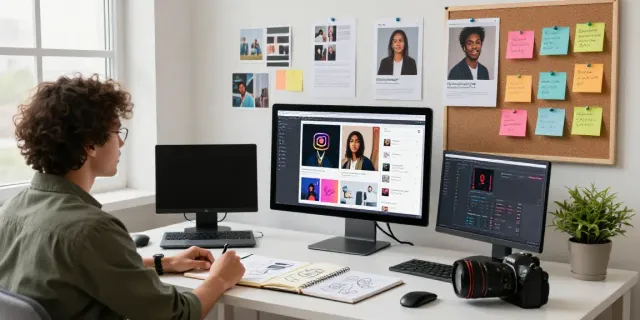
The Importance of Collaborative Spaces in 2026
As we move deeper into 2026, the landscape of professional collaboration is evolving at an unprecedented pace. With the rise of remote work and global connectivity, collaborative spaces have emerged as essential hubs for innovation and productivity. Modern professionals increasingly seek not only a place to work but an environment that fosters interaction, creativity, and community. This shift underscores the need for organizations to rethink their approaches to office design, culture, and technology integration. For those exploring options, https://koperasisantun.com/ provides comprehensive insights into the future of professional collaboration.
Why Collaboration Matters for Modern Professionals
In the modern workplace, collaboration is more than just teamwork—it's a catalyst for success. The rise of diverse, interdisciplinary teams has made collaboration essential, allowing professionals to leverage varied skills and perspectives. Studies indicate that organizations that promote collaborative environments see a 5-fold increase in performance compared to those that do not. As technology enables seamless communication, professionals are expected to thrive in collaborative setups that empower them to innovate and solve complex problems creatively.
Trends in Workspace Design for Enhanced Collaboration
The design of coworking and collaborative spaces has evolved significantly, focusing on flexibility, comfort, and technology integration. Key trends include:
- Modular furniture: Adaptable workstations can be reconfigured easily to encourage teamwork and focused work.
- Biophilic design: Incorporating natural elements, such as plants and natural light, promotes well-being and boosts creativity.
- Tech-friendly environments: Integrated technologies, such as smart boards and high-speed internet, enhance interactive experiences.
Moreover, the concept of hybrid workspaces is gaining traction, blending traditional office environments with collaborative settings that cater to remote and on-site workers alike.
Benefits of Coworking for Productivity and Creativity
Coworking spaces offer numerous advantages that contribute to heightened productivity and creativity:
- Networking opportunities: Shared environments facilitate connections that can lead to partnerships, ideas, and collaborations.
- Increased motivation: Working alongside other professionals can inspire individuals to stay focused and driven.
- Access to resources: Many coworking spaces provide amenities like meeting rooms, events, and workshops that foster learning and growth.
Exploring the Features of Effective Coworking Environments
Essential Amenities for Modern Coworking Spaces
To attract and retain members, coworking spaces must offer a variety of essential amenities. Key features include:
- High-speed internet: Reliable connectivity is crucial for all professionals.
- Private meeting rooms: Spaces for focused discussions are vital to accommodate sensitive conversations and presentations.
- Common areas: Relaxed settings for informal meetings and social interactions foster community building.
Moreover, unique offerings like wellness programs and food services can enhance member satisfaction and promote a holistic work-life balance.
Creating a Culture of Innovation and Collaboration
To cultivate a collaborative culture, coworking spaces must actively promote values of open communication, inclusivity, and creativity. Regular events, workshops, and networking opportunities help to foster community engagement and idea sharing. Leaders and managers should encourage feedback and create platforms where members can voice their opinions and collaborate on initiatives, reinforcing a sense of ownership and belonging within the space.
The Role of Technology in Enhancing Interaction
Technology plays a pivotal role in modern collaborative spaces. Tools such as video conferencing systems, collaborative software, and project management applications streamline communication and project tracking. The integration of artificial intelligence and virtual reality is also becoming commonplace, providing immersive experiences that enhance creativity and problem-solving. As technology continues to evolve, coworking spaces must stay abreast of these advancements to meet member expectations and improve the collaborative experience.
Common Pitfalls in Coworking Spaces: What to Avoid
Overcoming Noise and Distractions in Open Spaces
While open layouts promote collaboration, they can also lead to distractions. Coworking spaces must address noise issues through soundproofing measures, such as acoustic panels and designated quiet areas. Providing noise-canceling headphones or encouraging members to maintain a respectful volume can help mitigate disturbances and maintain productivity.
Managing Diverse Working Styles Among Members
Every professional has a distinct working style, and managing these differences can be challenging in a shared environment. Successful coworking spaces encourage flexibility and understanding among members, providing various work settings, from quiet zones to collaborative areas. Facilitating workshops that help members understand each other's working styles can enhance collaboration and reduce friction.
Building Community: Maintaining Engagement and Connection
One of the biggest challenges for coworking spaces is fostering a strong sense of community. Regular events, community boards, and member spotlights can help maintain engagement. Additionally, creating online platforms for members to communicate and share resources can enhance connections beyond the physical space.
Case Studies: Successful Collaborative Workspaces
Highlighting Leading Coworking Companies of 2026
Several coworking companies are setting benchmarks for successful collaborative workspaces in 2026. For instance, WeWork has diversified its offerings by integrating wellness programs, while Spaces emphasizes creative aesthetics that inspire innovation. Both companies illustrate the adaptability and community focus essential for thriving coworking environments.
Real-Life Success Stories from Collaborative Projects
Many successful startups credit their achievements to collaborative environments. For example, the tech startup Slack initially grew in a coworking space, leveraging networking opportunities and shared resources to scale rapidly. These stories exemplify the impact of community-driven spaces on individual and collective success.
Key Metrics for Measuring Collaboration Success
To assess the effectiveness of collaborative spaces, it's crucial to establish metrics such as:
- Member engagement: Monitor attendance at events and utilization of shared resources.
- Collaboration projects: Track the number and success of partnerships formed within the space.
- Member satisfaction: Regular surveys can provide insights into the member experience and areas for improvement.
Future Trends in Professional Collaboration Spaces
Emerging Technologies Shaping Collaborative Workflows
As we look to the future, emerging technologies will further shape how professionals collaborate. Innovations in virtual reality, augmented reality, and AI will enable dynamic interaction and creativity, redefining the collaborative experience. Future coworking spaces may harness these technologies to create immersive environments that facilitate real-time collaboration among geographically dispersed teams.
The Evolution of Remote Work and Hybrid Models
The hybrid work model, which combines remote and in-office work, is likely to become the norm. Coworking spaces will play a vital role in accommodating this shift by providing flexible options for workers who seek community but value the autonomy of remote work. As more companies embrace this model, coworking spaces will evolve to offer tailored solutions for diverse work needs.
Predictions for Coworking in 2030 and Beyond
Looking ahead to 2030, coworking will likely diversify even further, incorporating elements from different industries. For instance, spaces may feature dedicated areas for specific professions, such as tech or art, fostering specialized collaboration. Additionally, sustainability will be a key focus, with green technologies and eco-friendly designs becoming standard in new coworking developments.
What Factors Will Define Successful Collaboration Spaces?
Ultimately, successful collaboration spaces in the future will be defined by several factors:
- Flexibility: Spaces that can quickly adapt to changing needs and work styles.
- Technology integration: Seamless access to the latest tools for collaboration and productivity.
- Cultural inclusivity: A strong sense of community that supports diversity and fosters innovation.
In conclusion, collaborative spaces are set to become the heart of professional environments as we move further into the 21st century. Organizations must recognize the value of these spaces and invest in creating environments that foster collaboration, innovation, and productivity.