Understanding the Basics of Rope Bridge Design
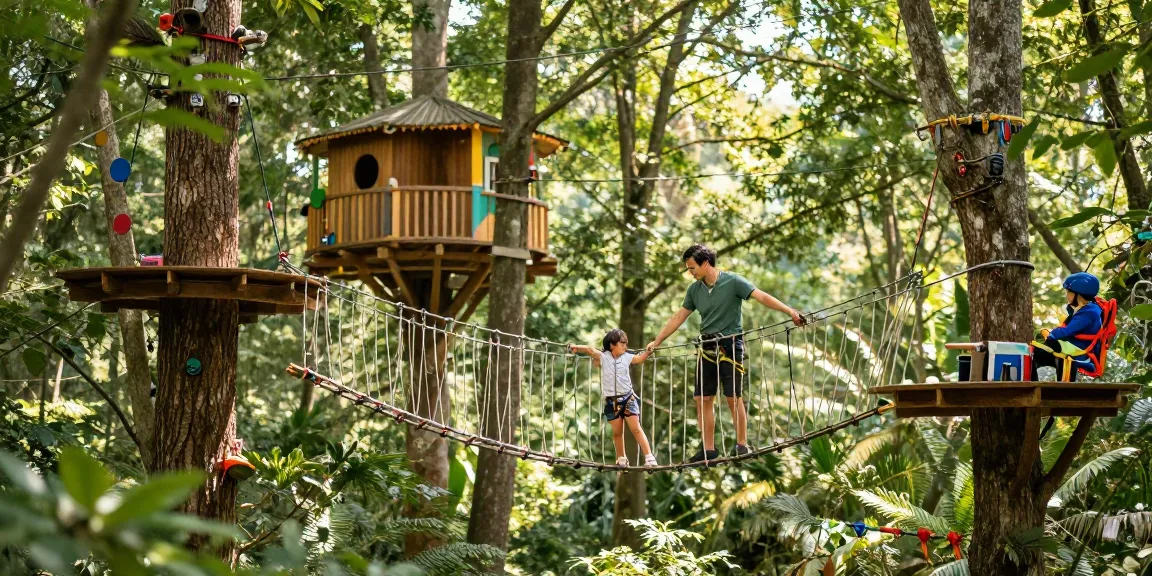
Rope bridges have long been celebrated for their unique blend of utility and adventure. They offer a fascinating means of crossing gaps, whether over rivers, ravines, or even connecting treehouses in an enchanting woodland setting. The design of a rope bridge is not just a project; it’s an exploration of engineering principles, creativity, and safety considerations. When exploring options, Rope Bridge design allows enthusiasts and builders to delve into everything from basic concepts to advanced construction techniques, ensuring a secure and enjoyable experience for users.
What is a Rope Bridge?
A rope bridge is a type of bridge that uses ropes or cables as its primary support structure. Unlike traditional suspension bridges, which often employ rigid components, rope bridges rely on tension and flexibility to create a safe and effective crossing. These bridges can vary greatly in size and complexity, from simple backyard projects to intricate constructions spanning great lengths. The charm of rope bridges lies in their lightweight, minimalist design, allowing for quick construction and the ability to adapt to the surrounding environment.
Types of Rope Bridges and Their Uses
Rope bridges can be categorised into several types, each suited to different applications and environments. Below are a few common examples:
- Suspended Rope Bridges: These bridges hang between two or more anchor points, typically used for crossing rivers or deep ravines.
- Fixed-Beam Rope Bridges: This type incorporates horizontal beams for additional stability, ideal for heavier loads.
- Log Rope Bridges: Utilising fallen logs as a base, these bridges offer a rustic charm and are commonly found in forested areas.
Key Components of a Rope Bridge Design
The design of a rope bridge includes various essential components that must be carefully considered to ensure safety and functionality. These components include:
- Ropes and Cables: The primary support elements that must be chosen based on tensile strength and durability.
- Decking: The surface material that will support pedestrian traffic, which can vary from wooden planks to mesh platforms.
- Anchoring Systems: Robust anchors are crucial for maintaining stability and preventing unwanted movement.
Essential Materials for Building a Rope Bridge
Building a rope bridge requires careful selection of materials to ensure safety and longevity. The choice of materials not only influences the bridge’s structural integrity but also affects its overall aesthetic.
Choosing the Right Rope and Hardware
When selecting ropes for a rope bridge, one must consider factors such as load capacity, resistance to weather conditions, and friction properties. High-tensile synthetic ropes, such as nylon or polypropylene, are popular choices because of their strength and durability. Additionally, hardware such as carabiners, eye bolts, and pulleys should be chosen for their reliability and compatibility with the rope's diameter.
Environmental Considerations for Material Selection
It's crucial to select materials that are not only strong but also environmentally sustainable. Consideration should be given to the impact of the materials on local wildlife and vegetation. Eco-friendly options, such as reclaimed wood for decking or biodegradable ropes, can significantly reduce the environmental footprint of a rope bridge.
Cost Breakdown for Rope Bridge Construction
The cost of building a rope bridge can vary widely based on size, materials, and complexity. Here’s a basic overview of potential costs:
- Rope and Hardware: £300 - £600
- Decking Material: £150 - £400
- Tools and Equipment Rental: £100 - £200
- Labour (if hiring professionals): £500 - £1,000
Overall, a DIY approach can save money, but careful planning and budgeting are essential to avoid unexpected expenses.
Step-by-Step Guide to Building a Rope Bridge
Constructing a rope bridge involves detailed planning and execution. Here is a step-by-step guide to help you navigate the building process.
Site Preparation and Safety Measures
The first step in building a rope bridge is assessing the site where it will be constructed. Ensure the area is clear of debris and potential hazards. Safety measures such as hard hats and harnesses should be worn during construction to prevent accidents.
Designing Your Rope Bridge Plan
Develop a comprehensive design plan that includes detailed drawings and specifications. Consider factors such as the bridge length, load capacity, and environmental elements. Your plan should incorporate feedback from structural engineers to ensure safety and compliance with local regulations.
Constructing the Bridge: Techniques and Tips
When constructing the bridge, begin with the anchoring system to ensure stability. Then, proceed with the installation of ropes and decking. Use tensioning techniques to secure the ropes properly. Regularly check alignment and tension as you construct to maintain structural integrity.
Safety and Maintenance for Rope Bridges
Safety should always be a priority when constructing and using rope bridges. Regular maintenance is essential to prevent accidents and prolong the life of the structure.
Regular Inspection Protocols
Implement routine inspections to assess the integrity of the ropes, anchoring systems, and decking. Look for any signs of wear or damage, and address issues promptly to prevent complications.
Common Issues and Repair Strategies
Common problems with rope bridges may include fraying ropes, loose anchors, or worn decking. Strategies for repair include replacing damaged components with high-quality materials and reinforcing structures as necessary.
Safety Gear and Precautions
When using a rope bridge, it’s essential to wear appropriate safety gear, such as harnesses and helmets. Establish rules regarding weight limits and ensure that only suitable individuals cross the bridge at a time to avoid overloading.
Future Trends in Rope Bridge Design
The future of rope bridge design is promising, with advancements in materials and construction techniques driving innovation.
Innovative Techniques in Rope Bridge Construction
New technologies, such as the use of 3D printing for custom hardware and smart materials that react to stress, are beginning to revolutionise rope bridge construction. These innovations can enhance safety and performance significantly.
Sustainable Practices for Eco-Friendly Bridges
As environmental concerns grow, there is a shift towards more sustainable building practices. Future rope bridges may utilise biodegradable materials and energy-efficient construction processes, ensuring minimal impact on the environment.
Predictions for Rope Bridge Applications in 2026
By 2026, we can expect to see rope bridges used not only in recreational settings but also in urban environments for pedestrian crossings. Enhanced design capabilities will allow for the integration of artistic elements into bridges, making them both functional and visually appealing.
How do I build a rope bridge?
Building a rope bridge involves careful planning, material selection, and construction techniques. Following a structured approach can lead to a successful project.
What are the different types of rope bridges?
Types of rope bridges include suspended, fixed-beam, and log bridges, each serving different purposes and environments.
How much does a rope bridge cost?
The costs can vary based on size and materials, typically ranging from a few hundred to several thousand pounds.
What is the simplest bridge design?
The simplest designs may involve basic three or four-rope configurations that are easy to build and maintain.
What maintenance is required for a rope bridge?
Regular inspections, repairs of worn components, and ensuring safety gear are essential for maintaining rope bridges.