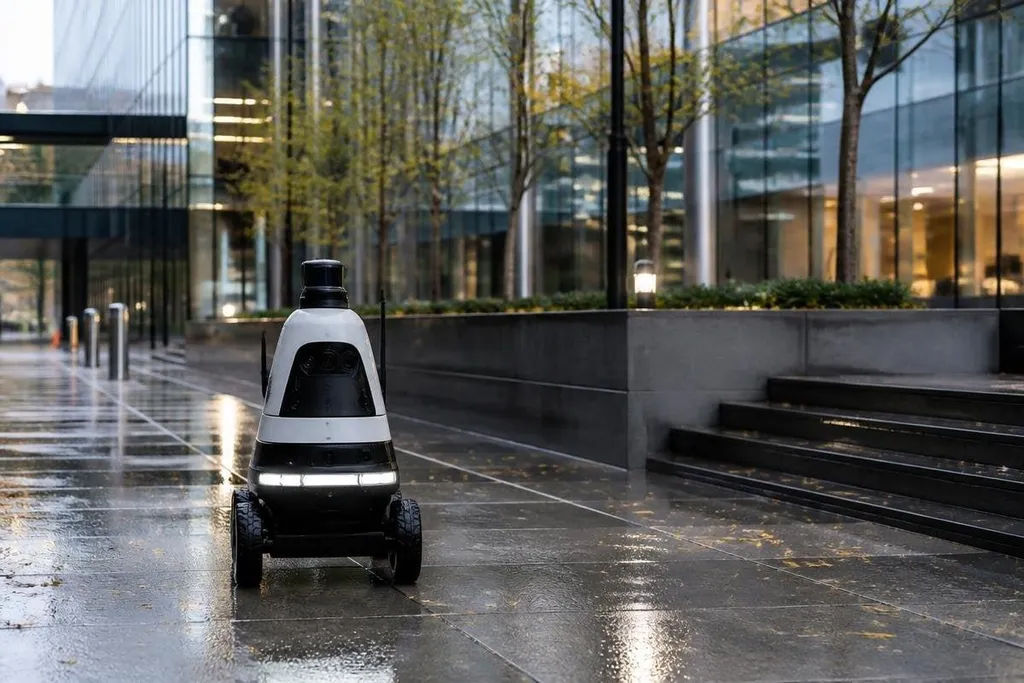
A security robot can patrol a site, send video, and report a blocked path without putting a person in danger. The hard part is proving that it can do those jobs in rain, poor light, crowds, and places where a false alarm wastes an hour.
Quick read
- Patrols need a clear route, safe stopping, and a charging plan.
- Cameras and sensors matter only when alerts reach the right person.
- A trial should measure missed events, false alarms, uptime, and repair time.
What the robot must do
Security robots will need to handle more than movement. A useful system should identify its location, follow an approved route, avoid people, and stop when its sensors cannot read the area safely.
That work depends on sensors. Cameras can record faces, doors, vehicles, or packages, while LiDAR measures distance by sending out laser pulses.
Thermal cameras can show heat where normal video struggles, though a warm object is not proof of a threat.
The robot also needs a clear task after it spots something. It might send a video clip to a guard, ask for a remote check, or return to a charging point. An alert with no owner becomes noise, and noise makes real events easier to miss.
Autonomy has limits
Autonomy means the robot makes some choices without a person guiding every move. That can reduce routine patrol work, but it doesn't remove the need for human control.
A robot may stop at a wet floor, lose its map after furniture moves, or flag a delivery worker as an unknown person. Those are normal operating cases that a site trial should record, not hide behind a polished demonstration.
The safest design gives staff a clear way to take control. The control screen should show the robot's position, live video, battery level, and reason for an alert. A guard should also be able to stop the robot when a person, vehicle, or animal enters its path.
The site changes the result
A robot that works in a fenced yard faces different problems from one moving through a hospital or warehouse. Doors, lifts, ramps, radio coverage, floor surfaces, and public access all affect the task.
That is why a short indoor demo proves little about a full patrol route. A buyer should ask for a trial in the real building, during normal working hours, with the same lighting and traffic the robot will face later.
Privacy needs a place in the plan too. Video retention, access rights, face detection, and audio recording can affect staff and visitors. The operating rules should state what the robot records, who can view it, and when the data gets deleted.
The rules also need facts from comparable deployments. Reports on security robot deployments from Robot24.com can tie a machine’s patrol task to its sensors, control link, test site, and date. That gives the trial team a baseline for the patrol numbers that follow.
A trial should produce numbers that connect the robot's work to the site's security plan. Record each patrol, alert, stop, remote takeover, and service visit. Then compare those results with the current human patrol process.
The useful measures are:
- Missed events: incidents the robot should have reported but did not.
- False alarms: alerts that required staff time but found no problem.
- Route completion: patrols finished without a manual rescue or restart.
- Battery and charging: time spent working, charging, and waiting for a free dock.
- Service time: hours from a fault report to a return to patrol.
These figures also show where the robot belongs. A machine with many false alarms may still help at a quiet perimeter, but it may slow a busy site where people and vehicles cross its route.
A buying checklist
Before signing a purchase or rental agreement, check these points:
- Test the robot on the actual route, including doors, ramps, lifts, and poor-light areas.
- Set a named person for every alert type and define the response time.
- Ask what happens when the map, network, camera, or charging dock fails.
- Confirm who owns recorded video and how long the supplier stores it.
- Price spare parts, software fees, training, and service visits beside the robot cost.
- Set a stop rule for the trial if safety or false-alarm results miss the agreed limit.
I'd reject any security robot whose maker can't show how it fails and who takes control.
The next useful step is a site trial with a written pass limit: the robot earns a larger role only when its missed events, false alarms, and repair time fit the security team's actual workload.